 Call us now:


In the world of sports, fitness, and active lifestyles, it’s not always a major accident that sidelines you. It’s often the small, repeated stresses that add up. This is the hallmark of an overuse injury, and it’s more common than you think.
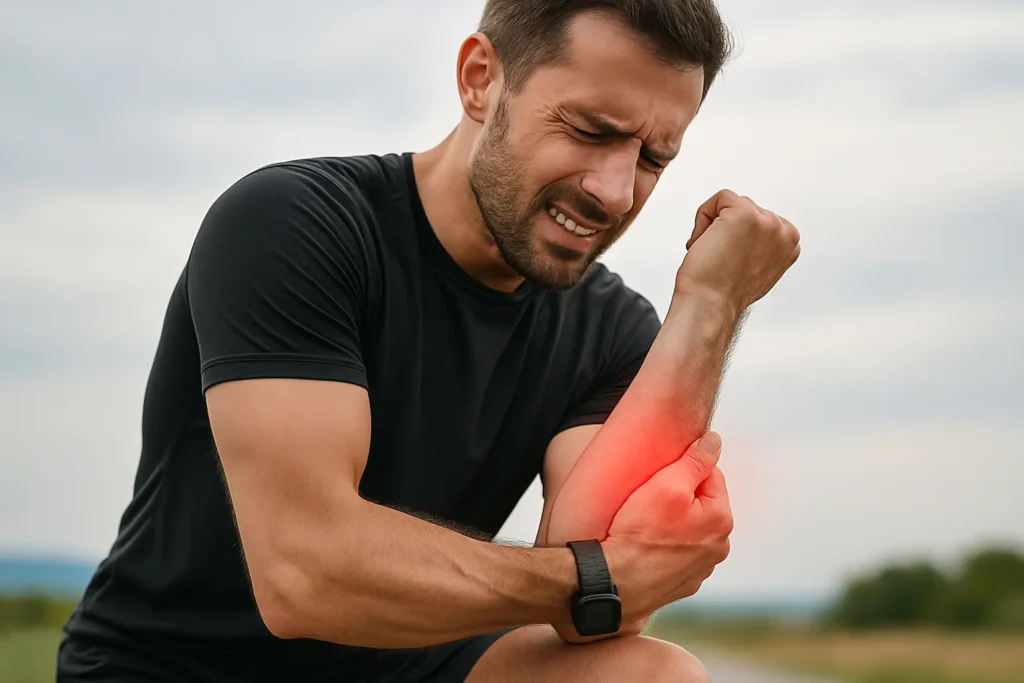
At Activ Insight, we frequently help athletes and active individuals recover from and prevent overuse injuries like tendinitis and repetitive strain injuries (RSIs). In this blog, we’ll break down what overuse injuries are, how to spot the signs, and the smartest way to recover and stay active.
Table of Contents
What Exactly is an Overuse Injury?
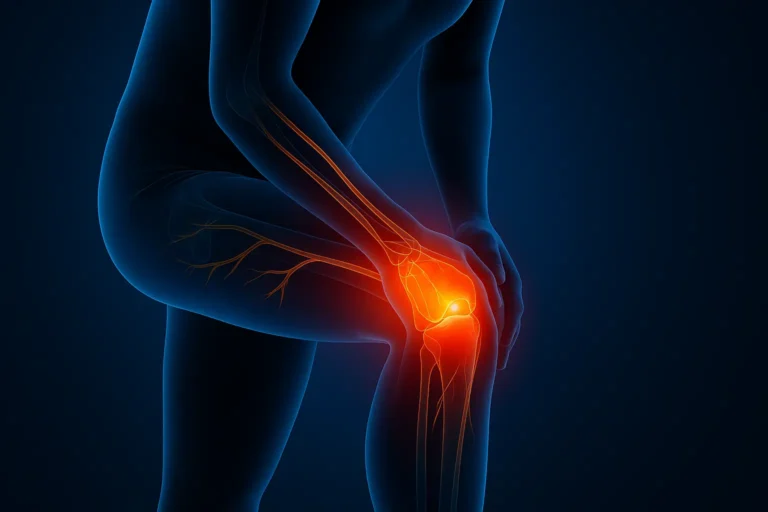
Think of an overuse injury not as a sudden, dramatic event, but as something that builds up over time. It happens when a muscle, tendon, bone, or joint gets repeatedly stressed without enough time to recover. This leads to tiny bits of damage that accumulate. Unlike a sudden sprained ankle, overuse injuries creep up on you gradually and can become a chronic problem if you don’t address them.
How to Spot the Signs of an Overuse Injury
Catching an overuse injury early is super important! Keep an eye out for these common symptoms:
- Persistent soreness or a dull ache in a specific area. It’s not just a passing ache; it sticks around.
- Swelling or tenderness that gets worse when you’re active.
- Reduced range of motion, meaning you can’t move a joint as freely as you used to.
- Stiffness, especially first thing in the morning or after you’ve been resting.
- A noticeable decline in your performance because of pain or weakness.
- Pain that starts only when you’re active but eventually lingers even when you’re resting.
What Causes These Pesky Injuries?
Overuse injuries are rarely due to just one thing. More often than not, they’re a mix of several factors:
1. Training Errors
This is a big one! If you suddenly ramp up your training intensity, frequency, or duration, or if you don’t give your body enough rest between sessions, you’re asking for trouble. Poor recovery strategies also play a role.
2. Biomechanical Imbalances
Our bodies are complex machines. If you have poor movement patterns, compensate for weakness elsewhere, or have misalignments (like issues with your feet, hips, or spine), it can put extra stress on certain areas. Even slight limb length discrepancies can contribute.
3. Improper Equipment or Surfaces
Your gear matters! Worn-out or inappropriate footwear can throw off your alignment, and hard or uneven training surfaces can create excessive impact.
4. Lack of Flexibility or Strength
If you have muscle imbalances, joint instability, or weak core or stabilizer muscles, other parts of your body might have to work overtime, leading to strain.
Common Overuse Injuries We See
At Activ Insight, we frequently see these conditions:
- Tendinitis: This is inflammation or irritation of a tendon, like in your Achilles, kneecap (patellar), or shoulder (rotator cuff).
- Shin Splints: That nagging pain along your shinbone, often a headache for runners.
- Plantar Fasciitis: Pain in your heel, usually caused by inflammation of the thick tissue on the bottom of your foot.
- Stress Fractures: Tiny cracks in your bones that develop from repetitive force.
- Tennis Elbow (Lateral Epicondylitis): Pain on the outside of your elbow, often from gripping or wrist movements.
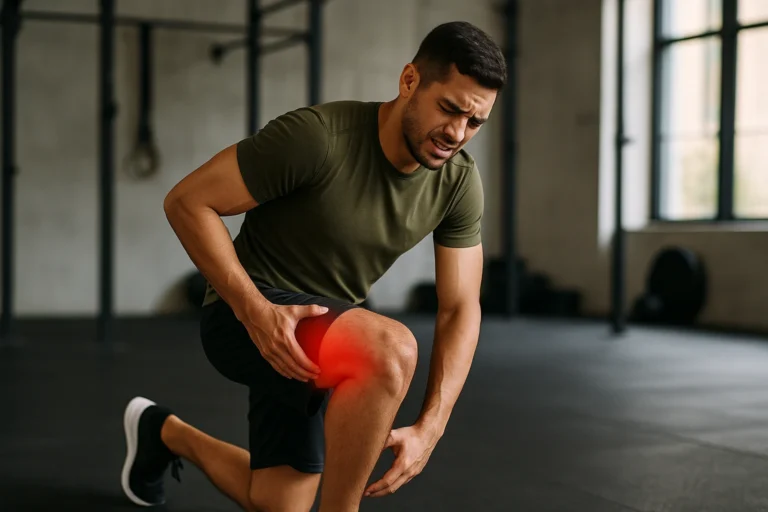
- Runner’s Knee (Patellofemoral Pain Syndrome): Pain around your kneecap, frequently worse when going up or down stairs or squatting.
Your Path to Recovery from Overuse Injuries
Getting back on track involves a thoughtful approach:
1. Early Diagnosis and Load Management
The first step is to stop or significantly reduce the activities that are causing you pain. In the early stages, using the R.I.C.E. method (Rest, Ice, Compression, Elevation) can be really helpful.
2. Professional Movement Assessment
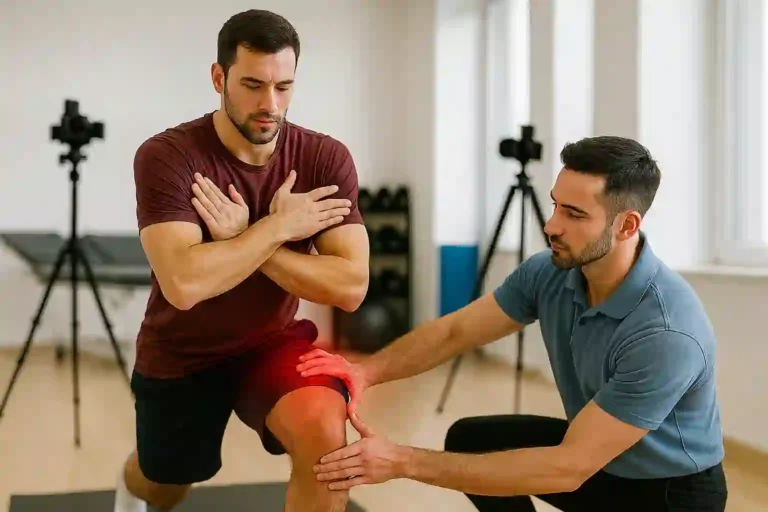
At Activ Insight, we don’t just treat the symptoms. We use biomechanical analysis to dig deeper and figure out the real culprits, like faulty gait patterns or postural issues, that are contributing to your injury.
3. Manual Therapy & Mobilization
We use techniques like soft tissue release, dry needling, or joint mobilizations to help restore balance and improve your mobility.
4. Corrective Exercises
This is where we build you back up! We’ll create tailored strengthening and stretching routines to balance your muscles and align your joints. For tendon issues, we often focus on eccentric training.
5. Gradual Return to Activity
You can’t just jump back in! We’ll guide you through a structured return-to-play protocol, slowly increasing your activity level while closely monitoring your progress to prevent re-injury.
Smart Tips to Prevent Overuse Injuries
Prevention is always better than cure! Here are some golden rules:
- Follow the 10% Rule: Don’t increase your workout volume or intensity by more than 10% per week. Gradual progress is key.
- Schedule rest days and cross-train: Give your body time to recover and try different activities to work different muscle groups.
- Warm up and cool down thoroughly: Prepare your body for activity and help it recover afterward.
- Use proper technique and form: This is crucial to avoid putting undue stress on your joints and muscles.
- Replace worn shoes or gear regularly: Old equipment can lose its support and cushioning, increasing injury risk.
- Listen to your body: Pain is a signal, not a challenge to push through. If something hurts, pay attention!
How Activ Insight Can Help You
We’re specialists in diagnosing and treating repetitive strain injuries, tendinopathies, and other overuse conditions. We use a comprehensive approach that includes:
- Advanced movement screening
- Sport-specific rehabilitation programs
- Integrated manual therapy and corrective exercise
- Long-term strategies for injury prevention and athletic longevity
If you’re dealing with persistent pain or notice your performance declining, don’t wait until it becomes a chronic problem. We’re here to help you recover—and move better than ever before.
Ready to Take the Next Step?
Book a personalized assessment at Activ Insight and let us help you uncover the root cause of your overuse injury—and guide your recovery journey with science-backed care.